
Sony Lays Out Its AI Playbook for Game Development
Sony has rarely been this specific about how artificial intelligence fits into its game development pipeline. In a presentation to investors on Friday, PlayStation CEO Hideaki Nishino and Sony Group CEO Hiroki Totoki didn't just gesture vaguely at AI's potential — they named tools, named studios, and named outcomes. For an industry that has largely treated AI adoption as either a quiet inevitability or a PR minefield, that level of candor is notable.
The headline claim: AI is already cutting hours of animation work down to fractions of a second, and Sony expects this efficiency wave to meaningfully flood the market with more games from more developers. That's either exciting or alarming, depending on where you sit.
Mockingbird and What It Actually Does
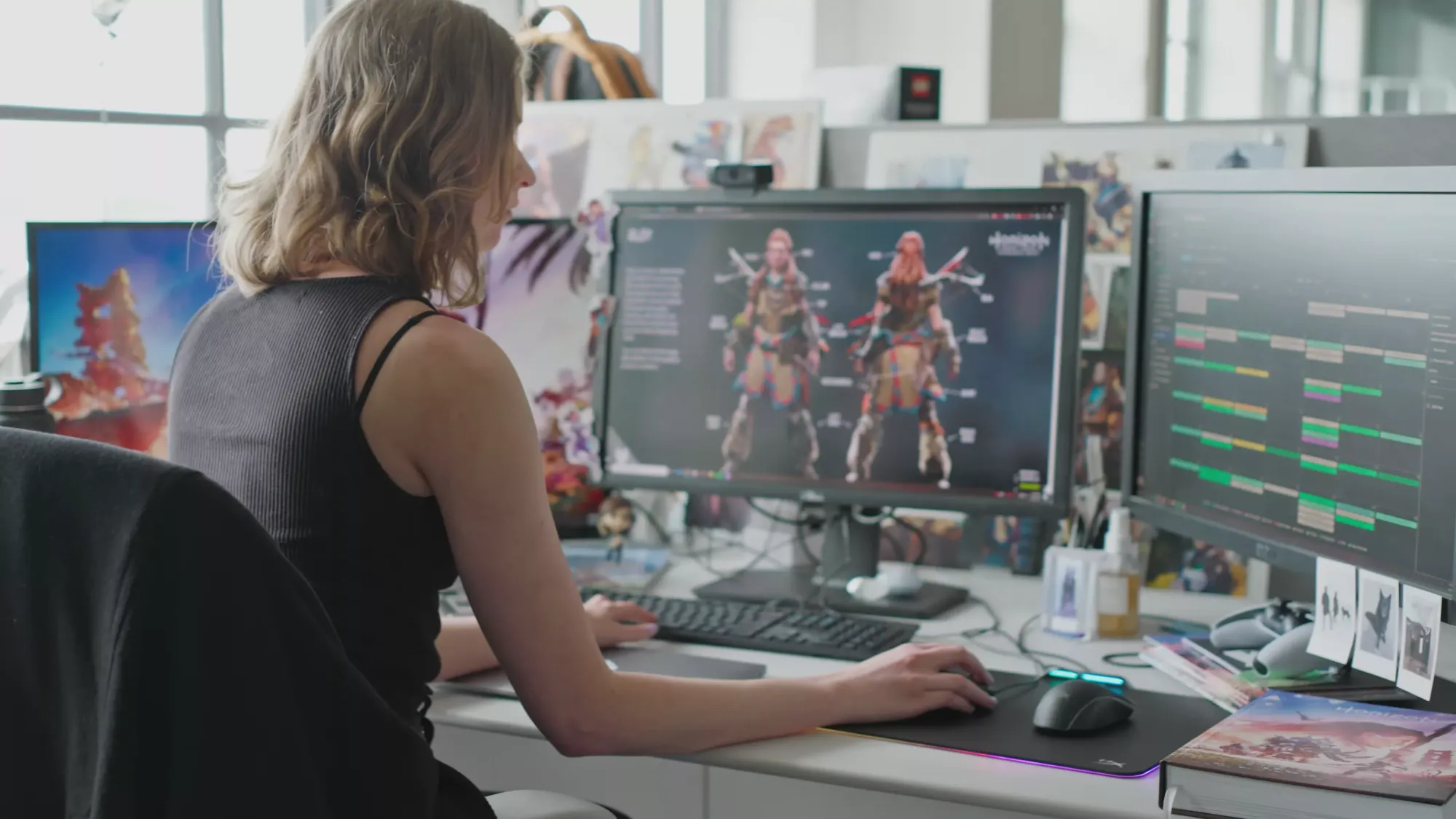
The most concrete example Sony offered is an internal tool called Mockingbird, which converts raw performance capture data into finished 3D facial animation. Studios including Naughty Dog — the team behind The Last of Us — and Santa Monica Studio, creator of God of War, have already deployed it. Its output has reportedly appeared in Horizon Zero Dawn Remastered.
The distinction Sony draws is careful and deliberate: Mockingbird doesn't replace motion-capture performers. It processes the data those performers generate. The difference matters legally, ethically, and practically — captured actors still work; the tool just eliminates the downstream gruntwork of manually cleaning and applying that data to in-game models. Similarly, Sony described machine learning systems capable of ingesting video of real hairstyles and generating realistic strand-by-strand animation, bypassing what used to be an absurdly labor-intensive hand-placement process.
These aren't experimental demos. They're shipping in major titles right now.
Sony also flagged a pilot partnership with Bandai Namco focused on video production, where the two companies say they've found "massive gains in speed and productivity per person." Interestingly, Sony's own presentation acknowledged generative AI's current weaknesses here — specifically, problems with consistency and controllability — which suggests the company is being realistic rather than evangelical about where the technology actually stands.
The Flood Warning Hidden in the Investor Presentation
Here's the part that deserves more attention: Nishino explicitly told investors to expect "a meaningful increase in the volume and diversity of content available to players." His reasoning is straightforward — AI tools lower the barrier to entry, compress development timelines, and allow smaller teams to execute projects they couldn't previously afford to attempt.
This is the same dynamic that cheap game engines and digital storefronts already triggered especially on Steam, where release volume has exploded over the past decade. Sony is essentially predicting that AI accelerates that curve further, and applies it to console platforms too.
That's a supply-side argument, and it cuts two ways. More games can mean more creative diversity. It can also mean more noise drowning out quality work, more pressure on discoverability systems, and — critically — more economic pressure on mid-sized studios that currently compete on production value as a differentiator. If AI narrows the gap between a 20-person team and a 200-person team in animation quality or QA coverage, the 200-person team's business model gets harder to justify.
Totoki framed this optimistically: AI efficiency unlocks "more innovative and ambitious projects — projects that were previously difficult to pursue due to constraints of cost and time." But ambition and volume aren't the same thing, and investors hearing "more content" should probably ask which one Sony is actually promising.
Sony's Careful Positioning on Human Talent
Sony's messaging here is calibrated. The official line — "the vision, the design, and the emotional impact of our games will always come from the talent of our studios and performers" — reads like a statement written with SAG-AFTRA negotiations and developer unions in mind. It's not cynical; studios like Naughty Dog have genuine creative cultures worth protecting. But it also reflects an industry acutely aware that careless AI framing has cost companies goodwill and, in some cases, real business.
The "augment, not replace" framing has become something close to a standard disclosure in 2025. What makes Sony's version slightly more credible than most is the specificity: they showed a tool, named the studios using it, and described the actual workflow it affects. That's harder to dismiss as vague corporate positioning.
It's worth noting that Sony dropped this AI transparency alongside news that PS5 hardware sales fell 46 percent year over year after significant price hikes. Whether that's context or subtext depends on your read — but a company navigating hardware headwinds has clear incentive to show investors a compelling software-side story.
What This Means
Sony's AI disclosure is one of the more grounded, detailed accounts a major platform holder has offered about how generative and machine learning tools are actually entering AAA production. It sets a precedent — and puts pressure on Microsoft, EA, and Ubisoft to be equally specific.
- For developers: Tools like Mockingbird signal where investment is going. Animation pipeline automation isn't coming — it's here, at Naughty Dog scale. Studios not building familiarity with these workflows risk falling behind on production efficiency.
- For founders and indie teams: Sony's prediction of a more crowded market is both an opportunity and a threat. Lower barriers to entry mean more competition, not just more creativity. Distribution and discoverability strategy matters more, not less.
- For the broader industry: The "augment not replace" framing is becoming contractual language, not just PR language. Studios adopting AI tools should expect — and prepare for — formal agreements with performers and unions that define exactly where the line is drawn.
- For investors and observers: Volume is not the same as value. Sony is promising more games; whether that translates to more revenue or more noise in an already saturated market is the question no earnings presentation can answer.
The real test for Sony's AI strategy isn't whether Mockingbird saves hours on facial animation — it clearly does. It's whether the creative output of those studios stays differentiated enough to justify the PlayStation platform premium in a world where every studio has access to the same accelerants.