Two Attacks, One Weekend, One Target
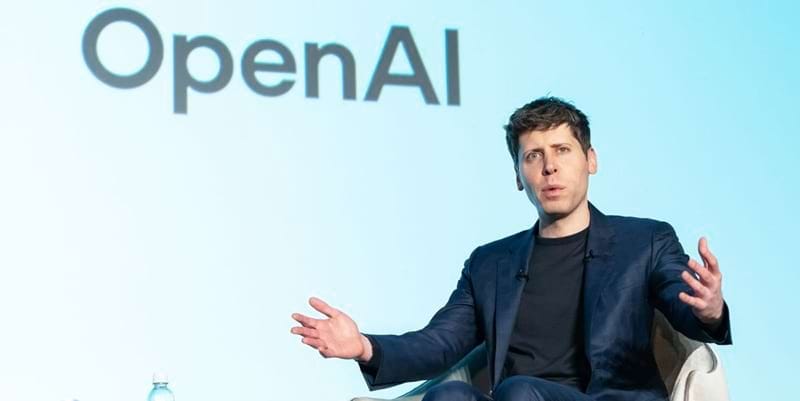
In a deeply unsettling turn of events, OpenAI CEO Sam Altman's San Francisco home was targeted twice in less than three days — first by an arson attempt on Friday, then by a drive-by shooting early Sunday morning. The back-to-back incidents have rattled the tech world and raised serious questions about the personal safety of AI's most visible figures.
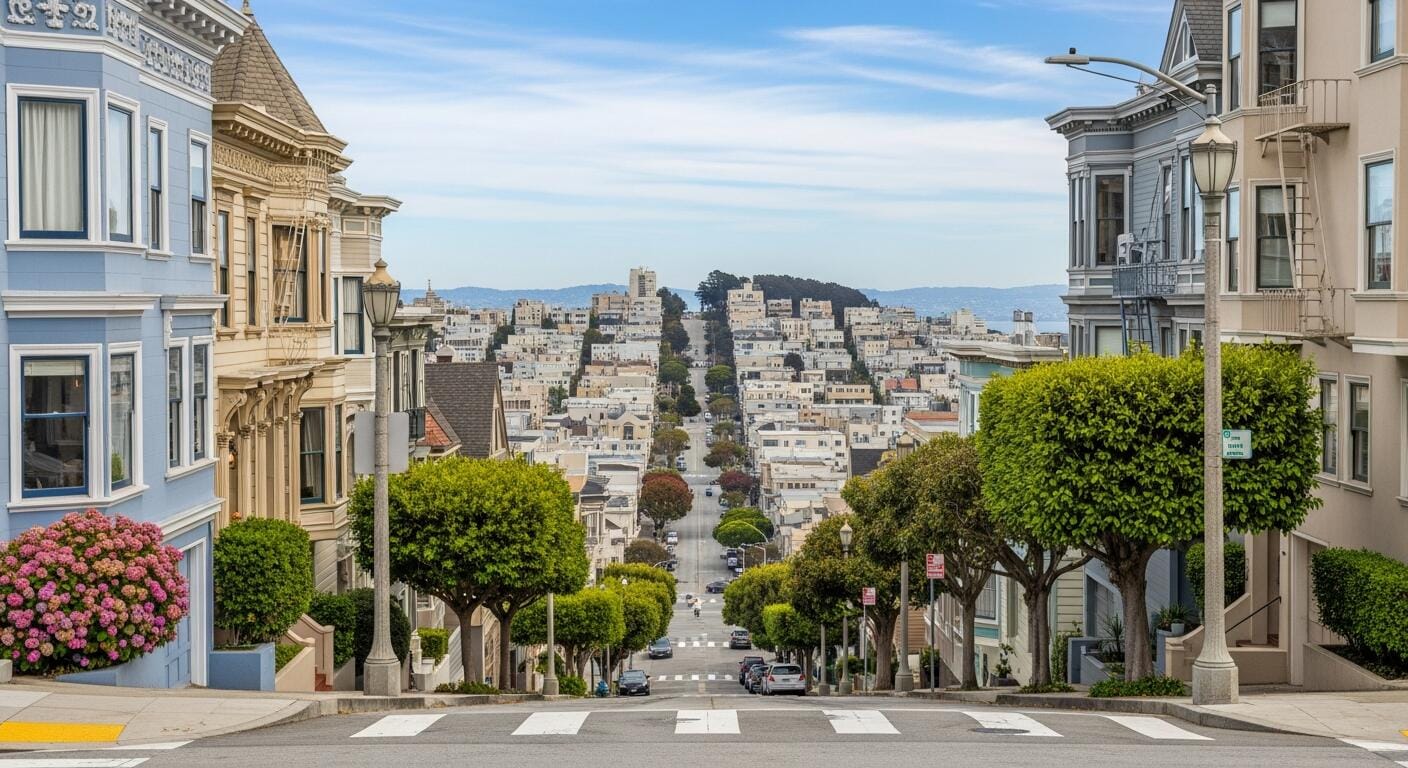
The first incident, on Friday, involved a 20-year-old man who allegedly hurled a Molotov cocktail at Altman's Russian Hill property. That suspect was arrested. Then, before the week was even out, a second attack unfolded. At roughly 1:40 AM on Sunday, April 12th, a Honda sedan made two passes in front of the home — and on the second pass, the passenger extended their arm out the window and apparently fired a weapon. San Francisco Police, responding to reports of shots fired around 2:56 AM, tracked the vehicle through surveillance footage that had captured the license plate as the car sped away.
Officers located and arrested Amanda Tom, 25, and Muhamad Tarik Hussein, 23, at their residence. Three firearms were seized in the search. Both individuals now face charges of negligent discharge of a firearm. Investigations into both the shooting and the earlier Molotov attack remain ongoing, and no motive has been confirmed in either case.
A Pattern That Can't Be Dismissed
Back-to-back incidents at the same address are not coincidence — they're a pattern. Whatever the individual motivations, the clustering of attacks against Altman in a single weekend signals something worth examining beyond the police blotter.
Altman is, without question, the most publicly prominent face of generative AI. He testified before Congress, appeared on the cover of major magazines, and has become a lightning rod for both admiration and deep frustration about where the technology is heading. That visibility is a double-edged sword. It has made him a symbol — and symbols attract projection, sometimes violently.
San Francisco Police Chief Derrick Lew was direct in his response:
The SFPD takes crimes involving guns extremely seriously, and anyone committing acts like these will be arrested and prosecuted to the fullest extent of the law.
— Chief Derrick Lew, San Francisco Police Department
Swift arrests in both cases are notable. According to the police report, surveillance infrastructure caught both incidents on camera, and in the shooting case, a license plate read directly to the suspects' door. That's the kind of resolution that rarely happens this fast.
Still, the speed of the arrests doesn't neutralize the broader discomfort here. Tech executives have long operated under the assumption that public visibility is manageable risk — handled by PR teams and social media strategies, not security details and surveillance cameras. That calculus is shifting.
Why This Keeps Happening in SF's Backyard
San Francisco's relationship with the tech industry has been complicated for over a decade — housing costs, displacement, inequality, the visible contrast between enormous private wealth and street-level poverty. Resentment isn't new. But targeted violence against a single named individual is a different register entirely.
This puts pressure on the broader AI industry because Altman isn't just a CEO — he's the public face of a technology that millions of people blame for job anxiety, creative displacement, and a sense that decisions shaping their futures are being made without them. Whether or not those concerns are fair or accurately directed, they have real emotional weight. And in rare, extreme cases, that weight finds destructive outlets.
Other AI executives and founders should be paying attention. If the sector's communication strategy has been to let Altman absorb the cultural heat while everyone else builds quietly, that approach carries real-world consequences for the person at the center of it.
What This Means
- For OpenAI: The company will almost certainly be rethinking executive security protocols — not just for Altman but across its leadership. High-profile AI companies may need to treat physical security as a core operational concern, not an afterthought.
- For developers and founders: If you're building in AI and planning to be a public face of it, the era of casual public accessibility is over. The visibility that once felt like a career asset now comes with a non-trivial personal risk premium.
- For the AI industry broadly: The industry cannot outsource its relationship with the public entirely to one or two figureheads. Concentrated symbolic targets are a failure of communication strategy as much as anything else. If people are furious about AI's trajectory, the response can't just be faster press releases — it has to include genuine, distributed accountability.
- For San Francisco: The city's leadership will face fresh scrutiny. Two serious incidents at the same address in under 72 hours, both apparently premeditated, raise questions about whether proactive threat monitoring is adequate for a city that is, for better or worse, ground zero for the most consequential technology shift of the decade.
Altman has not issued a public statement about either attack as of this writing. Whether he addresses it publicly or not, the silence from a normally media-present executive is itself telling. There's no good script for this moment — only the uncomfortable reality that building transformative technology at massive scale, in public, now comes with risks that go well beyond regulatory scrutiny or competitive pressure.
The arrests are the right outcome. The conditions that produced two attacks in a single weekend deserve an equally serious response.